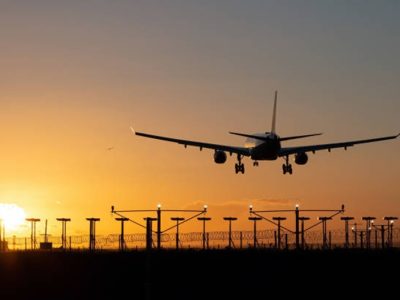
Stepping off a flight in Denver and driving straight into the Rockies, or landing directly on the windswept runway of Cusco, brings an immediate sensory shift. The air feels crisper, the horizon expands, and within a few hours, everyday exertion suddenly feels twice as taxing. For millions of travelers each year, high-elevation destinations promise world-class skiing, pristine alpine hiking, and historic mountain towns. Yet nothing derails an expensive vacation faster than a throbbing headache, relentless nausea, and an overwhelming sense of exhaustion before the luggage is even fully unpacked.
Altitude illness is not a reflection of physical fitness. Marathon runners and seasoned gym regulars can succumb just as easily as sedentary travelers. The determining factors are biology, physics, and the pace of ascent. Understanding how your body reacts to thinner air, preparing ahead of time, and knowing when to hit the brakes can transform what might have been a miserable weekend in bed into a seamless alpine escape.
What Actually Happens to Your Body at High Altitude
A common misconception is that high-altitude air contains a lower percentage of oxygen. In reality, the atmosphere maintains roughly 21 percent oxygen everywhere from sea level to the summit of Mount Everest. What changes is barometric pressure. At higher elevations, the column of air pressing down on the Earth is significantly lighter, which spreads air molecules farther apart.
Because the ambient pressure drops, the effective pressure driving oxygen across your lung tissue into your bloodstream decreases. With every breath you take at 8,000 feet, your lungs draw in roughly 25 percent less oxygen by volume than they do at the coast. By 12,000 feet, that deficit approaches 40 percent.
Your circulatory and respiratory systems respond immediately to this sudden drop in oxygen saturation. Resting heart rate spikes to pump blood faster, and your breathing rate accelerates automatically to pull in more volume. To compensate for the physiological stress and fluid shifts that follow, your kidneys begin dumping bicarbonate to keep your blood pH balanced as you hyperventilate. When an ascent outpaces the body’s ability to execute these complex chemical shifts, altitude illness takes hold.
Recognizing the Spectrum of Altitude Illness
Altitude-related medical issues range from mild discomfort to genuine medical emergencies. Distinguishing between normal adjustment symptoms and dangerous warning signs is essential for every mountain traveler.
Acute Mountain Sickness (AMS)
Acute Mountain Sickness is by far the most common form, typically surfacing between six and twenty-four hours after arrival at elevations above 8,000 feet. Most travelers describe AMS as feeling identical to a severe, dehydrating hangover without the previous night of drinking.
The hallmark symptom is a throbbing frontal headache that fails to respond fully to standard pain relievers. This is frequently paired with:
-
A total loss of appetite and mild to moderate nausea
-
Persistent lightheadedness or balance issues upon standing
-
Generalized muscular weakness and profound fatigue
-
Insomnia characterized by frequent awakenings and periodic, irregular breathing cycles
While AMS is uncomfortable and disruptive, it is rarely life-threatening on its own. If treated with rest, fluids, and temporary stabilization, it usually resolves within two to three days as baseline acclimatization takes hold.
High-Altitude Pulmonary Edema (HAPE)
High-Altitude Pulmonary Edema occurs when fluid builds up inside the air sacs of the lungs. It is relatively rare on standard resort vacations, but it can occur when travelers ascend rapidly above 9,000 feet and immediately engage in heavy physical exertion.
HAPE symptoms often start subtly, resembling a lingering chest cold or extreme breathlessness during light activity. Over several hours, the condition accelerates. A dry, hacking cough develops into a wet, rattling cough that produces pinkish or frothy sputum. The individual will struggle for breath even while sitting completely still, and their lips or fingernails may take on a bluish tint. HAPE is a medical emergency that requires prompt intervention and descent.
High-Altitude Cerebral Edema (HACE)
High-Altitude Cerebral Edema represents the most dangerous end of the spectrum, occurring when low oxygen levels trigger brain swelling. HACE usually develops out of severe, unmanaged AMS, typically above 10,000 feet.
The primary telltale sign of HACE is ataxia—a noticeable loss of motor coordination that causes the person to stagger or walk as if severely intoxicated. Other red flags include confusion, erratic mood swings, slurred speech, hallucinations, and severe lethargy. HACE can turn fatal within twenty-four hours if left unaddressed.
Acclimatization Strategies That Actually Work
The human body possesses an impressive capacity to adapt to low-oxygen environments, provided you give it adequate time to make the transition. Preventing altitude sickness comes down to pacing your itinerary rather than rushing your ascent.
Stage Your Arrival
The single most effective tool against altitude sickness is an intermediate stopover. If you are flying from sea level to a mountain town located at 9,000 or 10,000 feet, spending your first night at a moderate elevation between 5,000 and 7,000 feet cuts your risk of AMS substantially.
Travelers heading to high-elevation Colorado resorts often benefit from spending twenty-four hours in Denver or Colorado Springs before driving into the high country. Similarly, visitors traveling to Peru’s Sacred Valley are far better off heading directly down to towns like Urubamba or Ollantaytambo—which sit several thousand feet lower than Cusco—before returning to the higher city later in the trip.
Climb High, Sleep Low
A foundational rule of mountaineering that applies equally to casual travelers is to keep your sleeping elevation lower than the highest point you reach during the day. Your breathing naturally slows down during sleep, which causes your blood oxygen levels to drop even further throughout the night. If you spend the afternoon hiking at 11,000 feet, retreating to a cabin or hotel situated at 8,500 feet allows your body to recover during its rest cycles.
Protect the First 48 Hours
The temptation upon arriving at a luxury mountain resort is to immediately rent ski gear, book a rigorous trail hike, or explore the town late into the evening. Resisting this urge during your first two days pays massive dividends.
Plan low-impact activities for the initial forty-eight hours. Stick to flat strolls, casual sightseeing, and relaxed meals. Pushing your heart rate into high aerobic zones before your body has adjusted triggers oxidative stress, worsens dehydration, and rapidly amplifies headache and nausea symptoms.
Hydration, Nutrition, and Everyday Habits
Environmental factors at high altitude create physiological challenges beyond thin air alone. Mountain air is extraordinarily dry, and low temperatures often mask how much fluid you are losing.
Why Hydration Demands Intentionality
Because your breathing rate increases to capture oxygen, you expel significantly more water vapor with every breath. Simultaneously, low humidity causes sweat to evaporate almost instantly, making fluid loss difficult to perceive.
Relying on thirst alone is a mistake. Drink water consistently throughout the day, aiming for an additional liter to liter and a half above your standard daily intake. However, avoid swinging to the opposite extreme by guzzling gallons of plain water in short windows. Over-hydrating without replacing electrolytes can dilute your blood sodium levels, leading to hyponatremia—a condition that causes headache, nausea, and confusion that mimics altitude illness. Incorporate balanced electrolyte powders or mineral-rich broths into your daily routine.
Prioritize Carbohydrates
High-altitude metabolism operates differently than sea-level metabolism. At high elevations, your body relies more heavily on carbohydrates as its primary fuel source because carbs require less oxygen per unit of energy produced compared to dietary fats and proteins.
A high-carbohydrate diet rich in whole grains, pasta, fruits, and starchy vegetables helps sustain blood glucose and supports muscular performance under low-oxygen conditions. Heavy, high-fat meals take longer to digest, diverting vital blood flow and oxygen to the gastrointestinal tract and frequently exacerbating feelings of nausea.
Reconsider Alcohol and Caffeine
Mountain towns are famous for vibrant apres-ski scenes and local breweries, but alcohol is the primary catalyst for severe vacation-ruining altitude symptoms. Alcohol suppresses your respiratory drive, meaning your breathing slows down precisely when your body needs to hyperventilate to stay oxygenated. This leads to dramatic drops in nocturnal oxygen saturation. Furthermore, alcohol accelerates fluid loss and compounds sleep disruption.
You do not need to eliminate caffeine entirely if your body is accustomed to morning coffee, as caffeine withdrawal can trigger debilitating vascular headaches that confuse the diagnosis. However, keep intake moderate and offset every cup of coffee with equal amounts of water.
Medical Interventions and Remedies
For travelers with a history of altitude illness or those who must ascend rapidly due to rigid travel itineraries, targeted medical interventions can provide a safety net.
Prescription Prevention: Acetazolamide
Acetazolamide, commonly sold under the brand name Diamox, remains the gold standard in pharmacological prevention. It works as a carbonic anhydrase inhibitor, forcing the kidneys to excrete bicarbonate in the urine. This slightly acidifies the blood, which tricks the brain into believing carbon dioxide levels are elevated. As a result, your ventilation rate increases automatically, keeping blood oxygen levels higher even while sleeping.
Acetazolamide is a preventive medication, not a pain reliever; it must be started twenty-four hours before ascending and continued for the first two days at peak elevation. It carries predictable, harmless side effects, including a mild tingling sensation in the fingers and toes, frequent urination, and a temporary alteration in taste that makes carbonated beverages taste flat or metallic. Because it is a sulfonamide derivative, individuals with documented sulfa allergies must discuss alternative options with their physician.
Over-the-Counter Options
For standard AMS headaches, ibuprofen is generally superior to acetaminophen. Clinical evaluations have shown that non-steroidal anti-inflammatory drugs not only relieve head pain but also target the vascular inflammation associated with brain tissue response to hypoxia.
Tourist Gimmicks vs. Reality
Tourist shops in mountain towns frequently sell handheld recreational oxygen canisters and herbal supplements like ginkgo biloba or chlorophyll drops. Handheld oxygen canisters deliver only a few minutes of supplemental oxygen at low flow rates, offering nothing more than a brief psychological boost. They do not aid long-term acclimatization or resolve underlying hypoxia. Similarly, clinical evidence supporting herbal extracts remains inconsistent. Stick to proven acclimatization schedules, disciplined hydration, and established medical options.
The Non-Negotiable Rules of Descent
Managing altitude sickness requires strict adherence to practical safety principles. Denying symptoms or attempting to power through them is how mild discomfort turns into a medical evacuation.
Keep three universal rules in mind:
-
Never ascend to a higher sleeping altitude while experiencing symptoms of altitude illness. If you wake up with a headache or nausea, remain at that elevation until your symptoms vanish completely.
-
If symptoms worsen at your current elevation despite rest and hydration, descend immediately. Remaining stationary while deteriorating increases the risk of progression to HAPE or HACE.
-
Any loss of coordination, persistent confusion, or severe breathlessness at rest demands emergency descent. Even dropping 1,500 to 2,000 feet can produce immediate clinical improvement and stabilize an individual while awaiting medical transport.
High-altitude vacations offer some of the most rewarding scenery and outdoor adventures in the world. By respecting the atmospheric changes, staging your itinerary intelligently, and listening closely to early warning signs, you can explore mountain destinations in comfort, safety, and peak health.
What is your reaction?
Excited
0
Happy
0
In Love
0
Not Sure
0
Silly
0