 By Michael Owen
The quintessential American road trip is often defined by a sense of unbridled freedom, endless stretches of highway, and the spontaneity of the open road. Modern travel planning usually revolves around curating the perfect playlist, mapping out scenic detours, and packing the ideal snacks. Yet, this romanticized vision can come to a screeching halt at a mundane roadside gas station. You swipe your card, fill up your tank, and drive away, only to discover hours later that your card has been declined at a diner or a hotel check-in counter. Your budget has not been exhausted, but your funds have been abruptly hijacked by a gas station authorization hold. Understanding how these phantom charges work and learning how to manage them is a critical, yet rarely discussed, aspect of preserving your financial peace of mind while traveling.
The Anatomy of a Pay-at-the-Pump Transaction
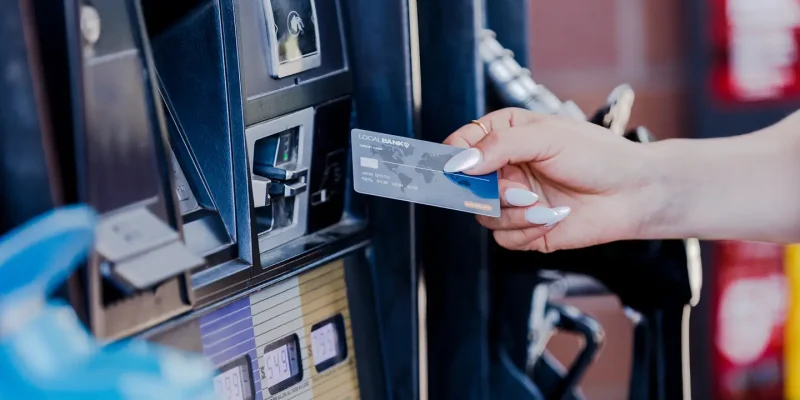
To master the authorization hold, you must first understand the unique mechanical and financial processes happening behind the scenes. When you purchase groceries or book a flight, the merchant knows the exact total of your transaction before you hand over your payment method. Fueling up a vehicle is uniquely different. When you slide your card into the pay-at-the-pump card reader, the machine has absolutely no idea if you intend to pump ten dollars worth of fuel into a compact sedan or a hundred and fifty dollars into a heavy-duty pickup truck.
To protect the gas station from fuel theft and insufficient funds, the point-of-sale system initiates a pre-authorization hold. The pump communicates with your bank or credit card issuer, requesting to freeze a predetermined amount of money to ensure you are good for the eventual cost of the fuel. Once the pump clicks off and the final amount is tallied, the gas station sends a second message to your bank with the actual total. In a perfect world, the initial hold is immediately replaced by the true charge. However, the legacy financial infrastructure that connects merchants, payment processors, and banks is rarely perfect, resulting in delays that keep your funds frozen long after you have driven away.
Why Authorization Holds Have Skyrocketed
For decades, the standard pre-authorization hold at an American gas station was a modest fifty dollars. It was a reasonable safety net that rarely caused financial distress for the consumer. However, the economic landscape of fueling a vehicle has shifted dramatically. As the size of vehicle fuel tanks grew and the price of crude oil fluctuated wildly, gas stations found themselves consistently losing money. A customer with fifty-two dollars in their checking account could swipe their card, trigger the fifty-dollar hold, and then proceed to pump ninety dollars worth of premium gasoline before the pump could shut off.
To combat this escalating revenue loss, major credit card networks and payment processors drastically raised the maximum allowable hold limits. Today, it is entirely common to encounter holds ranging from one hundred and twenty-five to one hundred and seventy-five dollars per swipe. If you are driving a large SUV, towing a boat, or driving a recreational vehicle, you might even encounter travel centers that hold up to three hundred dollars. When you are filling up multiple times a day on a cross-country journey, these holds can stack up simultaneously, artificially draining hundreds of dollars from your available balance in a matter of hours.
The Debit Card Danger Zone
The severity of an authorization hold depends almost entirely on the piece of plastic you choose to swipe at the pump. Using a credit card is universally the safest method because the hold merely places a temporary freeze on a portion of your available credit line. Unless you are traveling dangerously close to your absolute credit limit, a stacked hold of three hundred dollars is practically invisible. It does not affect your personal cash flow, and you will never owe interest on a pending hold.
Conversely, using a debit card at the pump can trigger a severe financial domino effect. A debit card hold freezes actual, liquid cash in your checking account. That money is rendered entirely inaccessible until the hold clears. If a gas station locks up one hundred and fifty dollars, and your actual gas bill is only forty dollars, you are still missing one hundred and ten dollars of your own money. If an automatic bill payment, such as a utility bill, a car payment, or a rent check, attempts to process while those funds are held hostage, your bank will likely reject the payment or hit you with severe overdraft fees. While some banks will reverse these fees if you explain the situation, the time spent fighting with customer service from a rest stop is a miserable way to spend a vacation.
The Weekend and Holiday Trap
The timing of your fuel stops plays a massive role in how long your money remains in limbo. Most authorization holds are resolved within a few hours, but this rapid turnaround relies on continuous batch processing between the merchant and the banking institutions. When you buy gas late on a Friday evening, over a weekend, or on a federal bank holiday, standard financial processing often grinds to a halt.
A hold placed on a Saturday afternoon might not be reconciled by the receiving bank until the following Tuesday morning. For families traveling on a tight, meticulously planned cash budget, losing access to a significant chunk of money for three days can derail hotel bookings, ruin dining plans, and compromise emergency funds. If you know you are heading into a holiday weekend, it is crucial to adjust your payment strategies accordingly.
Actionable Strategies to Outsmart the Pump
You do not have to be a passive victim to the banking system’s archaic rules. By implementing a few proactive strategies, you can completely bypass or strictly control how authorization holds impact your travel budget.
Pre-Pay Inside the Station
The single most effective way to completely bypass an authorization hold is to walk away from the pump and pay the cashier directly. When you pre-pay inside, you dictate the exact dollar amount of the transaction before a single drop of fuel is dispensed. If you hand the cashier a card and ask for forty dollars on pump number five, the merchant charges exactly forty dollars. There is no unknown variable, and therefore, the system has no reason to initiate a massive pre-authorization hold. While it requires an extra few minutes of your time, it provides absolute certainty over your budget.
Leverage Branded Fuel Apps
If abandoning the convenience of paying outside is not an option, consider utilizing the proprietary smartphone applications offered by major gas station chains. Applications from major fuel brands process payments differently than the physical card reader mounted on the pump. Because these apps require you to link a secure payment method and create a verified user profile, the risk profile for the merchant is significantly lower. Consequently, many of these applications bypass the exorbitant pre-authorization holds entirely, or they default to a much lower, more manageable hold amount. As an added benefit, these apps frequently offer immediate discounts on the per-gallon price and allow you to accumulate loyalty points.
The Gift Card Buffer
For travelers who prefer to strictly budget their trip without tying up their personal bank accounts, the gift card method is a highly effective loophole. You can purchase a brand-specific gas station gift card at a supermarket or pharmacy using your debit card or cash. Because you are buying a retail item for a fixed amount, there is no hold whatsoever. You can then use that gift card at the pump. The pump recognizes the exact remaining balance on the card and will simply shut off when the funds are depleted, completely circumventing the banking pre-authorization process.
Resolving a Stuck Authorization Hold
Even with the best preparation, you may occasionally find yourself dealing with a stubbornly persistent hold that refuses to clear. The immediate impulse for most drivers is to call or return to the gas station to demand a refund. However, this is a futile effort. The gas station attendant has absolutely no control over the hold once you have driven away. The merchant’s point-of-sale system has already sent the final transaction amount; it is the banking institution that is lagging in releasing the frozen funds.
If a hold remains on your account for more than seventy-two hours, your only recourse is to contact your card issuer directly. Call the customer service number on the back of your card, ask to speak with the dispute department, and request a manual release of the authorization hold. Be prepared to provide the exact date, time, location, and the final pumped amount. Having your physical receipt makes this process significantly faster, so always print a receipt at the pump during long road trips.
Navigating the financial logistics of a road trip should not feel like navigating a minefield. By understanding the mechanical necessity of authorization holds, recognizing the severe vulnerability of using a debit card at the pump, and employing proactive payment strategies, you can protect your travel budget. Keeping your funds accessible ensures that your focus remains exactly where it belongs: on the journey ahead, rather than on your banking application.
What is your reaction?
Excited
0
Happy
0
In Love
0
Not Sure
0
Silly
0