Resorts

Resorts Reimagined: Escapes of Elegance, Experience, and Effortless Indulgence

Introduction: More Than a Getaway

In an increasingly fast-paced world, where the lines between work and leisure blur and digital noise dominates daily life, the resort has emerged as more than just a vacation destination. It is a refuge—an orchestrated escape into comfort, beauty, and curated stillness. Whether perched on sun-kissed coastlines, tucked into alpine valleys, or nestled within lush tropical jungles, resorts have evolved into sophisticated ecosystems designed to meet not only physical needs but emotional and psychological ones as well. The modern resort is a blend of indulgence and intention, luxury and authenticity, offering guests a chance not merely to relax but to truly reset.

The Evolution of Resorts: From Coastal Hideaways to Global Icons

The concept of the resort can be traced back to ancient Roman times, where elite citizens would retreat to countryside villas for rest and recreation. Centuries later, the European spa towns of the 18th and 19th centuries offered urban dwellers a place to “take the waters” and engage in restorative leisure. But it was during the 20th century, with the rise of air travel and the blossoming of global tourism, that the resort as we know it today took shape.

Once associated with seasonal escapes for the affluent, modern resorts now span continents and cater to a wide range of travelers. From adults-only wellness retreats to family-friendly beach resorts and nature-immersive eco-lodges, the industry has diversified in both form and philosophy. Today’s resorts are not just places to stay—they are experiences in themselves.

What Defines a Resort? Core Elements of the Experience

Unlike traditional hotels, resorts are designed as self-contained destinations. They offer not only accommodation but also dining, entertainment, recreation, and wellness services—all within the same property. The goal is simple: to create an environment where guests need not leave to feel completely cared for.

1. Location and Landscape
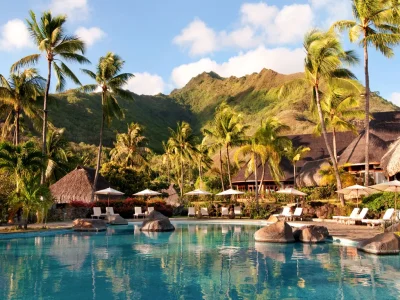
A resort begins with its setting. Whether built beside turquoise waters or within a secluded forest, the natural surroundings play a central role in shaping the guest experience. The architecture and landscaping are often designed to harmonize with the environment, offering both visual appeal and a sense of peace.

2. Holistic Hospitality
At a resort, hospitality is immersive. From the greeting at check-in to the turndown service at night, every interaction is part of a larger narrative of comfort. Staff are trained not only in efficiency but in empathy—ensuring each guest feels personally valued.

3. Amenities and Activities
Modern resorts offer a spectrum of amenities to suit every mood and preference:

  • Multiple on-site dining options, often ranging from fine dining to casual beachside cafés

  • Wellness centers, including spas, yoga studios, and fitness suites

  • Recreational offerings such as golf, tennis, water sports, or guided nature walks

  • Cultural experiences, including cooking classes, local art exhibitions, and regional performances

4. All-Inclusive Appeal
Many resorts today operate on an all-inclusive model, where meals, drinks, and activities are bundled into the room rate. This simplifies budgeting and allows guests to focus entirely on enjoyment rather than logistics.

Categories of Resorts: Tailored to the Traveler

Not all resorts are created for the same purpose. The industry has matured into a rich tapestry of styles and offerings, each tailored to distinct traveler profiles.

Luxury Resorts
These properties are the epitome of refinement. With exquisite design, personalized service, and an emphasis on exclusivity, luxury resorts cater to those seeking elegance, discretion, and top-tier experiences.

Eco-Resorts
Focused on sustainability and environmental stewardship, eco-resorts minimize their ecological footprint while maximizing immersion in nature. Solar power, rainwater harvesting, and locally sourced materials are common features, along with conservation programs and nature-based activities.

Wellness Resorts
Designed around rejuvenation and inner balance, these resorts often offer spa therapies, meditation programs, detox menus, and guided wellness journeys. Guests come not just to relax, but to heal and transform.

Family Resorts
Family-friendly resorts provide safe, engaging environments for all ages. With kids’ clubs, teen lounges, waterparks, and multi-bedroom suites, these destinations ensure both fun and convenience for parents and children alike.

Adventure Resorts
Catering to the active traveler, these resorts offer access to hiking, diving, zip-lining, skiing, and more. They often balance rugged experiences with refined comforts, allowing guests to explore boldly and rest deeply.

Cultural and Heritage Resorts
Rooted in local tradition, these resorts often occupy historic properties or are inspired by regional architecture. They provide immersive experiences in storytelling, cuisine, and artistry, fostering a deep connection with place.

Designing the Guest Experience: The Subtle Art of Resort Living

Creating a memorable resort experience requires more than amenities—it demands artistry. The best resorts balance consistency with surprise, calm with stimulation, and comfort with inspiration. This is achieved through:

  • Seamless transitions: Guests should move effortlessly from beach to bar, spa to suite, without friction or confusion

  • Signature moments: Whether it’s a sunset champagne ritual or a midnight bonfire, curated experiences create emotional highlights

  • Scent and sound: Many resorts use subtle sensory design—aromatherapy, ambient music, natural acoustics—to set mood and tone

  • Storytelling: The resort’s design, activities, and service style should tell a cohesive story rooted in its location and values

Resorts and the Rise of Conscious Travel

Today’s travelers are more informed, more selective, and more mindful than ever before. As a result, resorts are evolving to meet the demands of conscious tourism. This includes:

  • Reducing single-use plastics and carbon emissions

  • Supporting local communities through employment, sourcing, and education

  • Offering authentic, non-exploitative cultural experiences

  • Promoting mental and physical wellbeing as a core part of the travel experience

For many travelers, the new definition of luxury includes purpose and responsibility.

Conclusion: The Resort as Sanctuary

A resort is not simply a place to unwind—it is a setting designed to restore, enrich, and reawaken. It’s where mornings begin slowly, meals are savored, and time seems to stretch. It’s where strangers become friends over shared sunset views, and where solitude becomes a welcome companion.

As the world continues to change, the resort stands as a symbol of our collective yearning for beauty, balance, and belonging. Whether grand or understated, traditional or avant-garde, a great resort offers more than a destination—it offers a moment outside of time, where the only agenda is joy.

What is your reaction?

Excited
0
Happy
0
In Love
0
Not Sure
0
Silly
0

You may also like

Comments are closed.

More in:Resorts