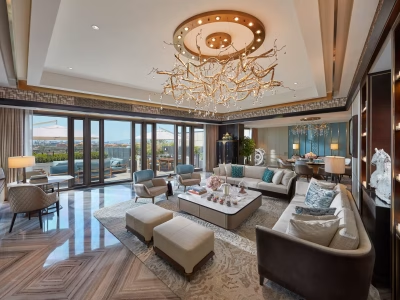
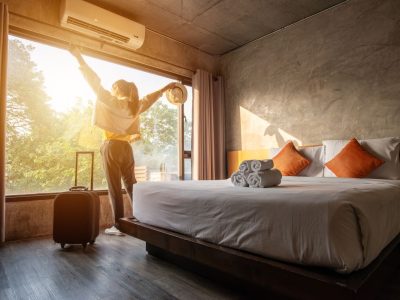
Accommodation

The Subtle Art of Accommodation: Evolving Spaces for Modern Living

Introduction

Accommodation, at its core, is the humble yet indispensable art of providing shelter and comfort. From rustic lodges perched atop misty hills to gleaming urban high-rises punctuating city skylines, the nature of accommodation has evolved dramatically through the centuries. Today, it encompasses not only where we lay our heads but how our surroundings nurture our minds, bodies, and spirits. Understanding accommodation in its modern sense demands a nuanced look at changing lifestyles, technological advancements, and the subtle yet profound shifts in what people now deem ‘comfort.’

A Historical Glimpse at Shelter and Hospitality

Historically, accommodation was driven by necessity. Ancient inns offered weary travelers a warm hearth and a modest meal. Medieval taverns and coaching houses became hubs for social exchange, commerce, and rest. The Industrial Revolution sparked an era of grand hotels, with opulent architecture and service designed to reflect prosperity and progress.

Fast-forward to the twentieth century and beyond, and the hospitality industry has blossomed into an intricate network of hotels, motels, hostels, vacation rentals, boutique stays, and homestays. The modern traveler expects far more than a clean bed and a warm blanket—experience has become the ultimate luxury.

The New Definition of Comfort

What defines ‘comfort’ today is highly subjective yet universally desired. It extends far beyond plush bedding and fine linens. It is about how a space aligns with individual desires, lifestyle preferences, and a sense of belonging. This shift has birthed an impressive diversity in accommodation choices:

  • Boutique Hotels: Intimate, design-driven properties that tell a story through their décor, local connections, and curated experiences.

  • Vacation Rentals: Entire apartments, villas, or cottages rented out by locals—blurring the lines between home and hotel.

  • Eco-Lodges: Sustainable stays that tread lightly on nature while immersing guests in pristine environments.

  • Co-Living Spaces: A fresh answer for digital nomads and young professionals craving community without sacrificing privacy.

These evolving forms highlight how accommodation today is about personalization. Guests desire spaces that mirror their values—sustainability, authenticity, wellness, or social interaction.

Technology’s Quiet Revolution

Technology has woven itself into the fabric of modern accommodation in subtle yet transformative ways. Smart room controls, keyless entry, mobile check-in, and AI-powered concierge services are no longer novelties but expectations. Many upscale hotels have seamlessly integrated voice assistants, ambient lighting, and even sleep-enhancing technologies into rooms to elevate the guest experience.

Equally significant is the rise of online booking platforms. Sites like Airbnb, Booking.com, and countless niche apps have democratized access to diverse types of stays. Peer reviews, virtual tours, and real-time pricing give travelers a sense of control and trust that was once missing in the traditional booking process.

The Rise of Experiential Stays

Modern accommodation is increasingly about experience rather than mere lodging. Travelers crave connection—to people, to place, to culture. This explains the popularity of themed stays, heritage homestays, and off-the-grid cabins that promise digital detox and reconnection with nature.

Many luxury properties now offer experiences that transcend the walls of their suites—private culinary lessons with local chefs, mindfulness retreats, or immersive art workshops. Such curated experiences transform accommodation from static shelter to living memory.

Adapting to Shifting Demographics

Demographics play a profound role in shaping accommodation trends. Millennials and Gen Z travelers, for instance, value unique experiences and social sharing over standard comforts. They are driving the boom in design-led hostels, co-living communities, and remote working retreats that double as vibrant social hubs.

At the other end of the spectrum, aging travelers desire comfort, safety, and accessibility. The best accommodation providers recognize these varied needs and tailor their offerings—ramps and lifts for seniors, pet-friendly suites for animal lovers, or family apartments with playful amenities for children.

Sustainability: A Non-Negotiable Element

Sustainability is no longer a fringe consideration—it has become central to the modern guest’s expectations. Eco-friendly properties emphasize renewable energy, zero waste, and locally sourced materials. Many hotels now eliminate single-use plastics, install water-saving fixtures, and partner with local communities for farm-to-table dining.

Green certifications and transparent sustainability practices have emerged as compelling selling points, influencing travelers’ choices as much as price or location.

How to Choose the Perfect Accommodation

Selecting the right stay is an art in itself. A few guiding questions can help travelers find spaces that resonate:

  • What experience do you crave—urban buzz, coastal calm, or rustic wilderness?

  • Is sustainability important to you?

  • Do you prefer privacy or opportunities to meet fellow travelers?

  • What amenities align with your lifestyle—high-speed Wi-Fi, wellness spas, or pet-friendly policies?

The Future: Fluid Spaces and Infinite Possibilities

As remote work and digital nomadism flourish, accommodation providers are reimagining spaces as fluid hubs for work, play, and rest. Hybrid stays—where a guest might work in a co-working lounge by day and sip local wine by night—are gaining traction.

Meanwhile, the rise of modular hotels, pop-up stays, and mobile glamping units point to a future where accommodation is as adaptable as the travelers it serves. The lines between ‘home,’ ‘office,’ and ‘hotel’ continue to blur, creating dynamic spaces that evolve with human needs.

Conclusion

In its essence, accommodation is more than four walls and a roof—it is an ever-evolving promise of comfort, safety, and connection. As our world grows smaller yet more diverse, accommodation keeps pace, quietly reflecting our shifting dreams, values, and ways of living. Whether you find solace in a forest cabin, inspiration in a chic city loft, or community in a co-living hub, the subtle art of accommodation shapes how we experience the world—and, in turn, ourselves.

What is your reaction?

Excited
0
Happy
0
In Love
0
Not Sure
0
Silly
0

You may also like

Comments are closed.