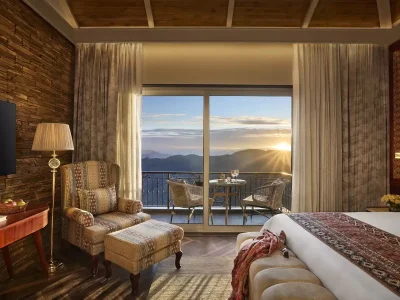
Hotel

Beyond the Lobby: The Subtle Art and Enduring Allure of the Modern Hotel

Introduction

A hotel is far more than a building with rooms for rent. It is a portal between places and people, a temporary home that reflects how we wish to feel when we are far from where we belong. For centuries, hotels have shaped journeys and hosted stories—of travelers seeking adventure, families chasing escape, and businesspeople weaving the fabric of commerce. Today, in an age of shifting expectations and endless choice, the modern hotel stands as both sanctuary and stage, quietly evolving to meet the needs of an ever-curious world.

A Brief Walk Through History

The idea of providing shelter to travelers is older than any city skyline. In ancient Greece and Rome, wayfarers found rest in roadside inns and guesthouses. By the Middle Ages, monasteries and coaching inns welcomed pilgrims and merchants, offering safety on perilous roads. The grand hotels of the 19th century—like London’s Savoy or New York’s Waldorf Astoria—transformed overnight lodging into an art of opulence and service.

With each era, the hotel adapted to social change, technological leaps, and the desires of guests. What was once a simple bed and meal has become a complex experience, tailored to tastes as varied as the travelers themselves.

The Many Faces of the Modern Hotel

Today, the term ‘hotel’ contains multitudes. It may be a glass-clad tower in a bustling metropolis, a family-run inn in the countryside, a historic manor reborn as a boutique hideaway, or a sprawling resort on a distant coast. What unites them is not the architecture but the promise they extend—a promise of comfort, care, and a sense of place.

Boutique Hotels

  • Small-scale, design-driven spaces that revel in individuality.

  • Often celebrate local art, craft, and culinary traditions.

  • Prioritize intimacy over scale, attracting guests who crave authenticity.

Luxury Hotels

  • Embody sophistication and meticulous service.

  • Offer amenities like fine dining, spas, personal butlers, and curated experiences.

  • Often become landmarks themselves—icons of a city’s identity.

Business Hotels

  • Efficient, practical, and strategically located near airports or commercial hubs.

  • Prioritize seamless check-ins, meeting facilities, and reliable technology.

  • Many blend function with comfort to encourage relaxation after work hours.

Resorts

  • Destinations in themselves—beachfront, mountain, or island getaways.

  • Offer everything from water sports to golf courses and wellness retreats.

  • Ideal for families or couples seeking to unwind without leaving the grounds.

Budget and Capsule Hotels

  • Prove that affordable can still be smart and stylish.

  • Cater to solo travelers, backpackers, and short-stay guests.

  • Japan’s famous capsule hotels epitomize efficient use of space without sacrificing comfort.

What Guests Seek Today

In the modern era, the essentials of a hotel stay have shifted. Good sheets and clean towels are a given. What sets one hotel apart from another are often the intangible details—a sense of welcome, a story told through décor, the ease with which a guest feels at home.

Today’s travelers care about:

  • Connection: High-speed Wi-Fi is no longer a luxury; it is expected.

  • Personalization: Thoughtful touches, from welcome notes to custom amenities.

  • Sustainability: Eco-friendly operations, local sourcing, and green certifications.

  • Experience: Cultural activities, workshops, or adventures curated by the hotel.

Many hotels now double as community hubs—hosting art exhibitions, food festivals, or rooftop concerts that draw locals and visitors alike. This blending of worlds keeps the hotel rooted in its neighborhood while offering guests a deeper connection to the place they’re visiting.

Design: More Than Aesthetic

Walk through any modern hotel, and design speaks before words do. Interiors set a tone that lingers—whether it’s the minimalist calm of Scandinavian influence, the rich, layered textures of a colonial bungalow, or the futuristic vibe of a sleek urban tower.

Design today must be more than beautiful. It must be practical, flexible, and sustainable. Smart lighting, energy-efficient systems, and adaptable spaces all play a role in shaping how guests feel and how responsibly a hotel operates.

The Human Touch

Amid the rise of apps, automation, and self-check-in kiosks, the heart of hospitality remains human warmth. The best hotels know that guests remember how they were made to feel—whether it’s a concierge who recommends a hidden café, a housekeeper who greets them by name, or a chef who crafts dishes inspired by local harvests.

No technology can replace genuine hospitality. It can only support it—freeing staff to focus on moments that make a stay memorable.

Challenges and New Frontiers

The hotel industry does not stand still. New trends constantly redefine its role.

  • Remote Work: The boom in digital nomadism has created demand for hybrid spaces where guests can work, collaborate, and unwind under one roof.

  • Health and Safety: Post-pandemic, hygiene standards and touchless experiences have become priorities.

  • Hyper-Personalization: From pillow menus to AI-curated itineraries, guests expect stays tailored to their whims.

  • Sustainability: Climate-conscious travelers want transparency—green energy, plastic-free operations, and local partnerships.

Hotels that adapt thoughtfully to these demands will not merely survive; they will thrive.

Choosing the Perfect Stay

Finding the right hotel is an art in itself. A seasoned traveler asks:

  • Does it reflect the spirit of the place I’m visiting?

  • Is it well-connected or blissfully remote, as I prefer?

  • Does it offer the comfort and services I truly need—or delightful surprises I didn’t expect?

  • Does it align with my values, whether that means supporting local communities or reducing environmental impact?

The perfect hotel is the one that matches your moment in life—whether that moment calls for lavish indulgence, peaceful retreat, or practical simplicity.

Conclusion

At its essence, a hotel is a promise kept: a warm welcome, a place to rest, a chance to dream beyond the familiar. It is where strangers become guests, journeys find pause, and ordinary nights transform into cherished memories.

Long after a city’s landmarks fade from memory, the feeling of being cared for—of waking to fresh sheets, of sipping coffee by a sunlit window, of hearing your name spoken kindly—lingers.

In this way, hotels do more than house us. They remind us that wherever we wander, there is always a door to open, a room waiting, and a small corner of the world that, for a brief time, feels like our own.

What is your reaction?

Excited
0
Happy
0
In Love
0
Not Sure
0
Silly
0

You may also like

Comments are closed.

More in:Hotel