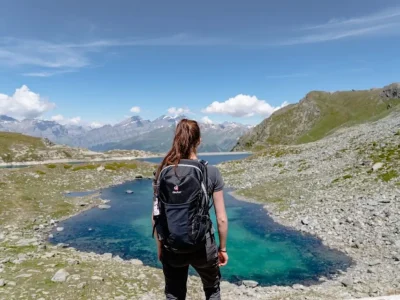
Hiking

On Foot Through Nature’s Tapestry: The Enduring Joy of Hiking

Introduction

In an age increasingly ruled by screens and schedules, hiking remains a quietly defiant act—a deliberate return to nature, simplicity, and self-discovery. To hike is to slow down, to measure time by footsteps rather than deadlines, and to see the world not from behind a window but through one’s own two eyes. From gentle woodland paths to rugged alpine trails, hiking invites us to reconnect with the land and, often, with ourselves.

The Timeless Appeal of Hiking

Humans have always walked—first out of necessity, later for exploration, and today, often for pleasure and well-being. Hiking is one of the few pastimes that demands so little yet offers so much. A sturdy pair of boots, a reliable trail, and a touch of curiosity are all it takes to step into landscapes that both humble and invigorate.

Unlike other outdoor sports that require complex gear or daring feats, hiking remains democratic in its essence. It welcomes families, solo wanderers, and seasoned adventurers alike, each free to set their own pace and path.

A Feast for the Senses

No two hikes are ever truly the same. Even a familiar trail transforms with the seasons—lush green in spring, sun-dappled and buzzing with insects in summer, a riot of gold and crimson come autumn, and hushed, starkly beautiful under winter’s blanket.

On a hike, every sense awakens:

  • Sight: Panoramic vistas, intricate wildflowers, shifting light through the canopy.

  • Sound: The hush of wind through pines, birdsong echoing at dawn, the rush of a hidden brook.

  • Smell: Damp earth, sun-warmed pine needles, wild herbs crushed underfoot.

  • Touch: The rough bark of a trail-side tree, the satisfying crunch of gravel under boots.

These simple, primal pleasures remind us of our place in nature’s tapestry—small yet integral.

The Benefits Beyond the Trail

Hiking’s gifts reach far beyond scenery. Studies repeatedly highlight its many physical and mental benefits. A few miles on the trail strengthen the heart, lungs, and legs without the jarring impact of harder sports. Steady inclines build endurance; uneven ground trains balance and agility.

Equally powerful is hiking’s impact on the mind. Immersion in nature reduces stress hormones, calms racing thoughts, and fosters creativity. Many hikers speak of the trail as therapy—problems unravel step by step, replaced by a grounded clarity that modern life often obscures.

A Hiker’s World: The Many Faces of the Trail

Hiking is as diverse as the landscapes it traverses. Some crave a leisurely woodland stroll, others the adrenaline of a high-altitude ascent. Popular hiking styles include:

Day Hikes

  • Short excursions that fit into a morning or afternoon.

  • Ideal for families or beginners.

  • Usually well-marked and close to towns or parks.

Overnight and Multi-Day Treks

  • Involve camping or staying in mountain huts.

  • Demand planning for food, shelter, and weather.

  • Reward hikers with deeper immersion in remote wilderness.

Thru-Hiking

  • Extended journeys that cover hundreds or thousands of miles.

  • Famous examples include the Appalachian Trail or the Pacific Crest Trail.

  • Require mental grit, physical endurance, and careful logistics.

Urban Hiking

  • A modern twist that explores city trails, greenways, and hidden parks.

  • Blends discovery with fitness, showcasing cities in a new light.

What to Pack: The Art of Preparedness

While hiking is simple, a few essentials make the experience safe and comfortable.

Essentials for Any Hike

  • Proper Footwear: Well-fitted hiking boots or trail shoes prevent blisters and offer support.

  • Layered Clothing: Weather can change quickly; dress in moisture-wicking, breathable fabrics.

  • Navigation Tools: Maps, a compass, or a fully charged phone with offline GPS.

  • Water and Snacks: Hydration is vital; high-energy snacks keep stamina up.

  • First-Aid Kit: Even minor cuts or blisters can ruin a hike if ignored.

  • Sun Protection: Hat, sunglasses, and sunscreen.

  • Backpack: Just large enough for the essentials without weighing you down.

For multi-day treks, add a lightweight tent or shelter, sleeping bag, stove, and sufficient food supplies.

Hiking Etiquette: Treading Lightly

To truly embrace hiking’s spirit is to respect the land and those who share it. Responsible hikers follow the timeless Leave No Trace principles.

  • Stay on Trails: Protects delicate ecosystems and prevents erosion.

  • Pack Out Waste: Carry every bit of rubbish back with you.

  • Respect Wildlife: Observe from a distance; never feed animals.

  • Yield the Trail: Uphill hikers generally have right of way.

  • Keep Noise Low: Let nature’s soundtrack prevail.

By hiking thoughtfully, we ensure that trails remain unspoiled for future wanderers.

When Hiking Becomes Pilgrimage

For many, hiking transcends recreation. It can be a pilgrimage—a deliberate stepping away from modern life in search of deeper truths. Trails like Spain’s Camino de Santiago or Japan’s Kumano Kodo weave spiritual significance into every mile. Pilgrims walk not only for the scenery but for reflection, healing, or renewal.

Even ordinary hikes can become a form of meditation. The rhythmic crunch of boots, the steady breath, the feeling of being alone yet connected to something vast—these moments remind us that to walk is to be alive in its purest form.

Finding Trails Close to Home

One need not travel to far-flung wildernesses to discover hiking’s rewards. Local parks, forests, and nature reserves often hide trails just waiting to be explored. Even a few hours on a modest path can offer the same sense of wonder as grand expeditions.

Many urban dwellers find solace in weekly hikes—a ritual that punctuates busy lives with moments of green calm.

Conclusion

At its heart, hiking is about more than reaching a summit or ticking off miles. It is an invitation to pause, breathe, and remember what it means to move slowly and see deeply. It reminds us that the world is bigger than our worries and that beauty often waits just beyond the bend.

Whether you lace up your boots for a quick morning stroll or a month-long trek through wild ranges, each hike is a quiet act of gratitude—for the land underfoot, the sky overhead, and the simple joy of putting one foot in front of the other. And as long as there are trails to follow and horizons to chase, the timeless art of hiking will endure—guiding us back, again and again, to what truly matters.

What is your reaction?

Excited
0
Happy
0
In Love
0
Not Sure
0
Silly
0

You may also like

Comments are closed.

More in:Hiking