Hiking

Step by Step: The Quiet Majesty and Mindful Art of Hiking

Introduction: A Return to Simplicity and Self

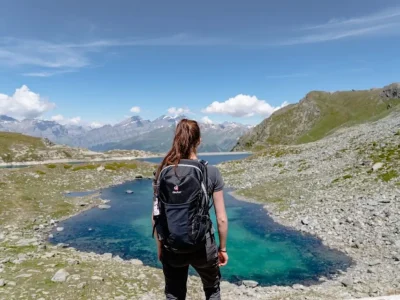
In a world perpetually driven by speed, distraction, and noise, hiking offers a rare and meaningful counterbalance. It is the simple act of walking through nature—without engines, screens, or concrete. But beneath that simplicity lies something profound. Hiking is not just a physical activity; it is a practice in presence, a slow reawakening of the senses, and a quiet pilgrimage into both landscape and self. Whether winding through ancient forests, climbing sun-drenched ridges, or tracing the edges of hidden lakes, hiking reminds us of something essential: that we belong to the earth, and not the other way around.

The Allure of the Trail: Why Hiking Resonates

What makes hiking so compelling is its universal accessibility. One does not need to be an elite athlete or an intrepid explorer to experience its rewards. All it takes is a good pair of shoes, a sense of curiosity, and a willingness to put one foot in front of the other.

Unlike other forms of travel or recreation, hiking fosters intimacy with place. The pace is slow enough to notice the intricate pattern of bark, the distant call of a hawk, the changing texture of the soil beneath your boots. Each step deepens your connection not only to the terrain but also to yourself. You begin to observe your own breath, your thoughts, your energy levels—and, in doing so, rediscover your own rhythm.

The Health Benefits: Body, Mind, and Soul

Hiking is deceptively powerful in its physical and psychological benefits. What may appear to be a leisurely stroll through the woods is in fact a comprehensive form of wellness therapy.

Physical Strength and Endurance

  • Engages multiple muscle groups, particularly the legs, core, and back

  • Enhances cardiovascular health through sustained aerobic activity

  • Improves balance, coordination, and joint mobility over uneven terrain

Mental Clarity and Stress Reduction

  • Nature exposure significantly reduces cortisol levels, the primary stress hormone

  • The repetitive motion of walking induces a meditative, calming effect

  • Disconnecting from technology allows the mind to reset and gain perspective

Emotional and Spiritual Wellbeing

  • Fosters a sense of awe and gratitude through immersion in natural beauty

  • Encourages mindfulness and reflective thinking

  • Offers solitude and silence—both increasingly rare and deeply nourishing

Types of Hiking: Finding Your Trail

The beauty of hiking lies in its versatility. From gentle walks in urban parks to multi-day alpine expeditions, there is a trail for every temperament, goal, and skill level.

Day Hikes
Short, often under ten miles, these are perfect for weekend adventurers and those looking to unwind without extensive planning. Day hikes provide the pleasure of immersion without the commitment of camping.

Backpacking Trips
These multi-day journeys combine hiking with overnight stays in tents or shelters. They require careful preparation but reward with deeper solitude and a more immersive wilderness experience.

Summit Hikes
For those drawn to challenge, summit hikes aim for the top—whether it’s a local hill or a legendary peak. These treks often involve steep climbs and breathtaking panoramic views as their ultimate reward.

Through-Hikes
Epic in scale, these are long-distance trails—like the Appalachian Trail or the Pacific Crest Trail—that span hundreds or even thousands of miles. They demand endurance, time, and a deep commitment to the lifestyle of the trail.

Essential Gear: What to Bring on the Path

Though hiking can be as minimal or as gear-intensive as you like, a few essential items elevate safety, comfort, and enjoyment.

  • Footwear: Quality hiking boots or trail shoes suited to terrain and distance

  • Navigation Tools: Map, compass, or GPS device—never rely solely on a phone

  • Hydration: Water bottles or hydration systems to prevent dehydration

  • Layers: Weather-appropriate clothing, including a rain shell and thermal layers

  • Nutrition: High-energy snacks or lightweight meals for longer treks

  • Safety: First-aid kit, whistle, flashlight, and a multi-tool or knife

  • Backpack: Properly fitted and spacious enough to carry your essentials

Hiking as a Mindful Practice

More than just physical exertion, hiking offers a unique opportunity to cultivate mindfulness. With each step, we are invited to engage all our senses—to notice the dappled sunlight filtering through leaves, to feel the shift in air as altitude rises, to hear the subtle rustle of creatures unseen.

Many seasoned hikers describe their time on the trail as meditative. The rhythm of walking, uninterrupted by technology or artificial noise, becomes a moving meditation. Problems that once felt urgent begin to dissolve. Ideas begin to surface. Creativity flows. There is an openness that emerges—one that can rarely be summoned within the confines of a room.

Leave No Trace: Ethical Hiking and Stewardship

To hike is to borrow time and space from nature. It is therefore imperative to tread lightly and respectfully. The Leave No Trace principles offer a guide for ethical hiking:

  • Pack it in, pack it out: Take all trash and belongings with you

  • Stay on the trail: Avoid trampling delicate vegetation

  • Respect wildlife: Observe from a distance without feeding or disturbing

  • Minimize campfire impact: Use stoves and existing fire rings where allowed

  • Be considerate of others: Share the trail with humility and kindness

By following these practices, hikers help preserve the very beauty that drew them to the wild in the first place.

Conclusion: The Journey Within

Hiking, at its heart, is about far more than movement through space. It is a quiet act of rebellion against the rush and superficiality of modern life. It is a return to earth, to simplicity, to breath. In the solitude of the trail, we remember what it means to be fully alive—to feel the wind on our face, the ache in our legs, the clarity in our thoughts.

Each trail is different, each journey unique. But all lead to the same truth: that the path to outer wonder often leads inward, and that sometimes the greatest adventure begins with a single, deliberate step into the unknown.

What is your reaction?

Excited
0
Happy
0
In Love
0
Not Sure
0
Silly
0

You may also like

Comments are closed.

More in:Hiking